Top Highlights of Antarctica Tours: What to Expect and Experience
1. Crossing the Drake Passage and Arrival
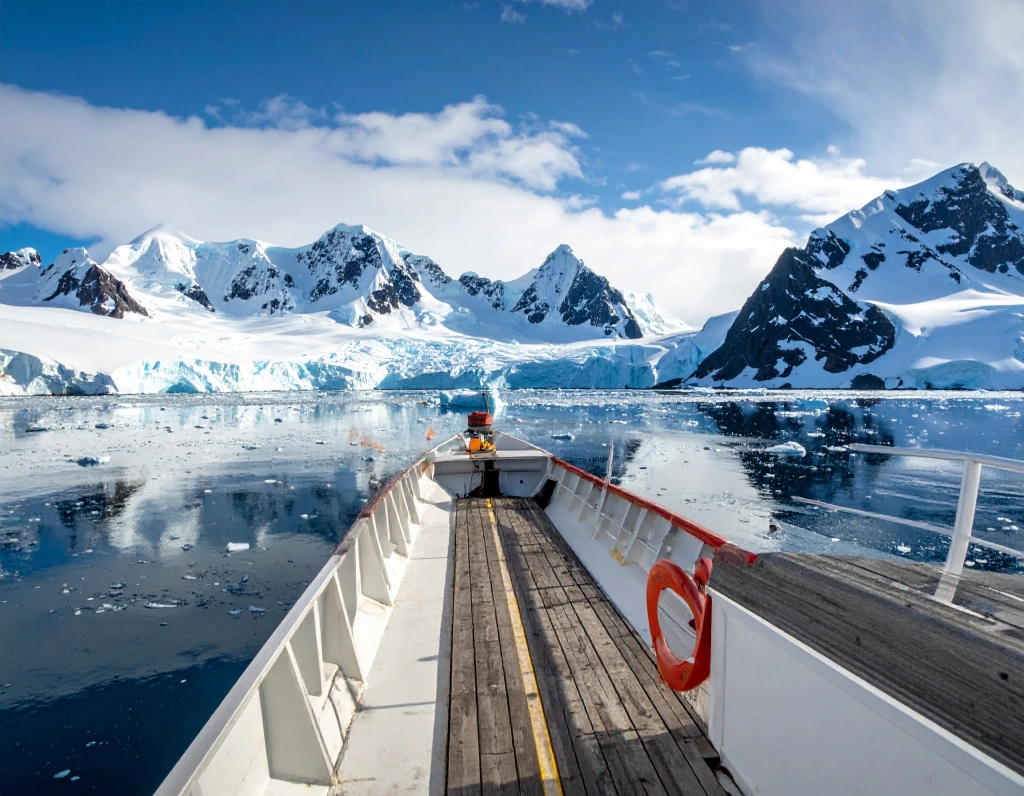
One of the first major highlights is crossing the Drake Passage (or flying over it, depending on your tour). This stretch of ocean between South America and Antarctica is famous for its strong seas and deep blue waters. Once you arrive, expect a dramatic transition into icy fjords, glaciers, and endless horizons of snow and ice.
2. Wildlife Encounters
Antarctica’s wildlife is a core draw. On many expeditions, you’ll see large penguin colonies (e.g. gentoo, Adélie, emperor), seals lounging on ice floes, whales feeding in cold waters, and various seabirds. During warmer months, you might observe penguin chicks hatching or fur seals with pups.
3. Ice Formations and Glacial Marvels
Towering glaciers, icebergs in countless shapes, ice caves, and frozen cliffs are everywhere. Sites like Lemaire Channel, Paradise Bay, or the Antarctic Sound are especially famous for breathtaking ice scenery. The texture, color, and scale of the ice make for unparalleled photographic moments.
4. Historic & Scientific Sites
Many tours include visits or views of historic huts, research stations, and places of scientific significance. You’ll often hear about early explorers’ huts, research outposts, and current citizen science projects. Guides often include talks about climate change, ecology, and Antarctica’s role in global environmental systems.
5. Exceptional Light & Photography Opportunities
Due to the extreme southern latitude, in Antarctic summer (roughly November–February), there are long daylight hours — sometimes almost continuous daylight. These extended hours of light mean more time for Zodiac landings, shore walks, wildlife observations, and photography. The low-angle light also produces spectacular contrasts.
6. Adventure Activities
Depending on the tour, you may have opportunities for kayaking among icebergs, zodiac cruises, snowshoeing, camping (in some expeditions), or even diving (for certified divers). These optional activities allow you to interact more directly with the environment.
7. Considerations: Best Time, Comfort, & Environmental Impact
When planning:
- Timing: The Antarctic “summer” (austral summer) from late November to March offers milder weather, calmer seas, and more wildlife activity. Outside that window, conditions become harsher.
- Comfort Level: Ships vary from expedition-class with basic cabins to luxury ice-capable vessels. You’ll want to check cabin types, dining options, weather gear provided, and how many shore landings are included.
- Sustainability: Good tours follow environmental guidelines, limit passenger numbers, practice leave-no-trace on landings, support scientific or conservation efforts, and aim to reduce their carbon footprint. Guides often brief guests on respecting wildlife and fragile ecosystems.
Final Thoughts
Antarctica tours are unforgettable for good reason — they combine extraordinary natural beauty, wildlife, silence, and perspective. If you pick a tour that matches your comfort level, respects the environment, and lets you engage with the wild, you’ll come away with more than photographs. You’ll have memories of a place unlike anywhere else on Earth.
Disclaimer
The content of this article is for general informational purposes only and may not apply to every individual or trip. Insurance terms, coverage, exclusions, and costs can differ greatly among providers and by region; always read the policy documents carefully before purchasing.
This article was generated by AI (Artificial Intelligence).